The journey reflects the organization
Navigation and workflows follow internal structures rather than the language, priorities, and context of the user.
 Start a project
 Service / 04
We design websites and digital products around the decisions people need to make and the work they need to complete. Research, structure, interaction, interface craft, and delivery detail remain connected throughout.
Start a project
The business problem / 01
Experience problems are not always dramatic. They show up as hesitation, repeated support requests, inconsistent screens, abandoned tasks, or teams afraid to change the interface.
Navigation and workflows follow internal structures rather than the language, priorities, and context of the user.
Too many steps, unclear states, weak feedback, and inconsistent controls make routine tasks feel risky or slow.
Patterns have multiplied across teams and releases, making the product harder to learn, build, and maintain.
Stakeholder preference is standing in for user understanding because research and validation are missing from delivery.
What we do about it / 02
Stakeholder, product, data, support, competitor, and current-experience review focused on the decisions ahead.
Business reasonCreates shared understanding before screens become the argument.
Proportionate interviews, observation, surveys, or evaluative studies designed around specific learning questions.
Business reasonReplaces important assumptions with useful evidence.
End-to-end views of user goals, steps, channels, decisions, pain points, and operational dependencies.
Business reasonReveals where experience and business processes need to change together.
Navigation, hierarchy, taxonomy, content grouping, and findability shaped around user mental models.
Business reasonHelps people locate and understand what matters.
Structured flows, states, responsive behavior, and detailed interaction logic before visual polish.
Business reasonResolves expensive experience questions earlier.
High-fidelity responsive screens that balance clarity, brand character, accessibility, and implementation reality.
Business reasonCreates a distinctive product without making usability carry the cost.
How we work / 03
Understand the business model, product, users, available evidence, support themes, constraints, and decisions the work must unlock.
Define research questions, priority journeys, experience principles, success signals, scope, and collaboration plan.
Develop structures, flows, content hierarchy, and interface directions at the lowest useful fidelity.
Work closely with development through build review, questions, quality checks, and evidence-led improvement after release.
Tools and technology / 04
Figma is useful, but the deliverable is not a file. The value is in clearer journeys, tested decisions, reusable patterns, and enough detail for the product team to build with confidence.
Why YANY SOUL / 05
We design the system behind the screens. User evidence, commercial priorities, content, interface behavior, and technical reality inform the same decisions. Visual polish matters, but it cannot compensate for a journey that was never made clear.
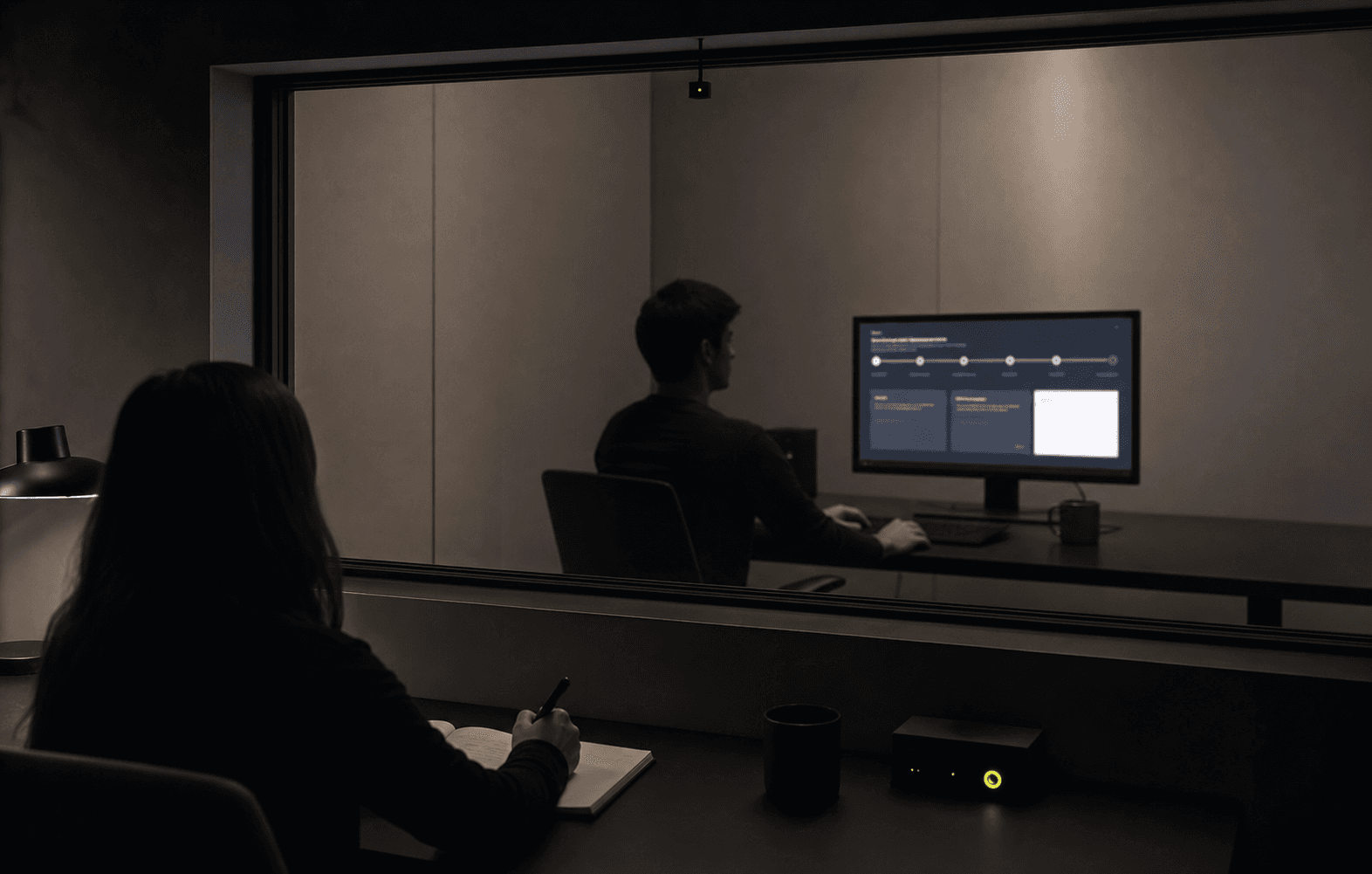
Relevant work / 06
Product Design · Web Application · Development
Representative concept work. Client identity and verified outcome data have not been supplied.
View representative case studyThe method depends on the decision: stakeholder and support interviews, user interviews, observation, surveys, analytics review, journey analysis, concept testing, or usability sessions. We avoid research activity without a clear learning question.
Yes. We identify high-friction journeys, valuable familiar patterns, technical constraints, and the safest sequence of change. A staged redesign is often more responsible than replacing every screen at once.
Where it helps answer a question or communicate behavior, yes. Prototypes can range from focused journey models to high-fidelity interactions; we choose the minimum fidelity needed for the decision.
Handoff includes resolved responsive screens, components, states, interaction notes, content behavior, assets, and direct collaboration during implementation. We treat developer questions and build review as part of design quality.
Yes. We can establish foundations, components, patterns, documentation, and governance, or audit an existing system. The scope should match the product and team rather than imitate a large enterprise library.
Next / Start a project
Share what needs to change, what the business needs from it, and where the current experience is getting in the way.
Start a project